
According to the 2025 Global Hunger Index, the Philippines ranks 66th out of 123 countries, reflecting the moderate severity of hunger in the country. Out of the entire population, 3% are undernourished, and 27.7% of children under five are stunted, showing the reality that the Philippines needs to focus more on health and nutrition, especially for the younger generation.
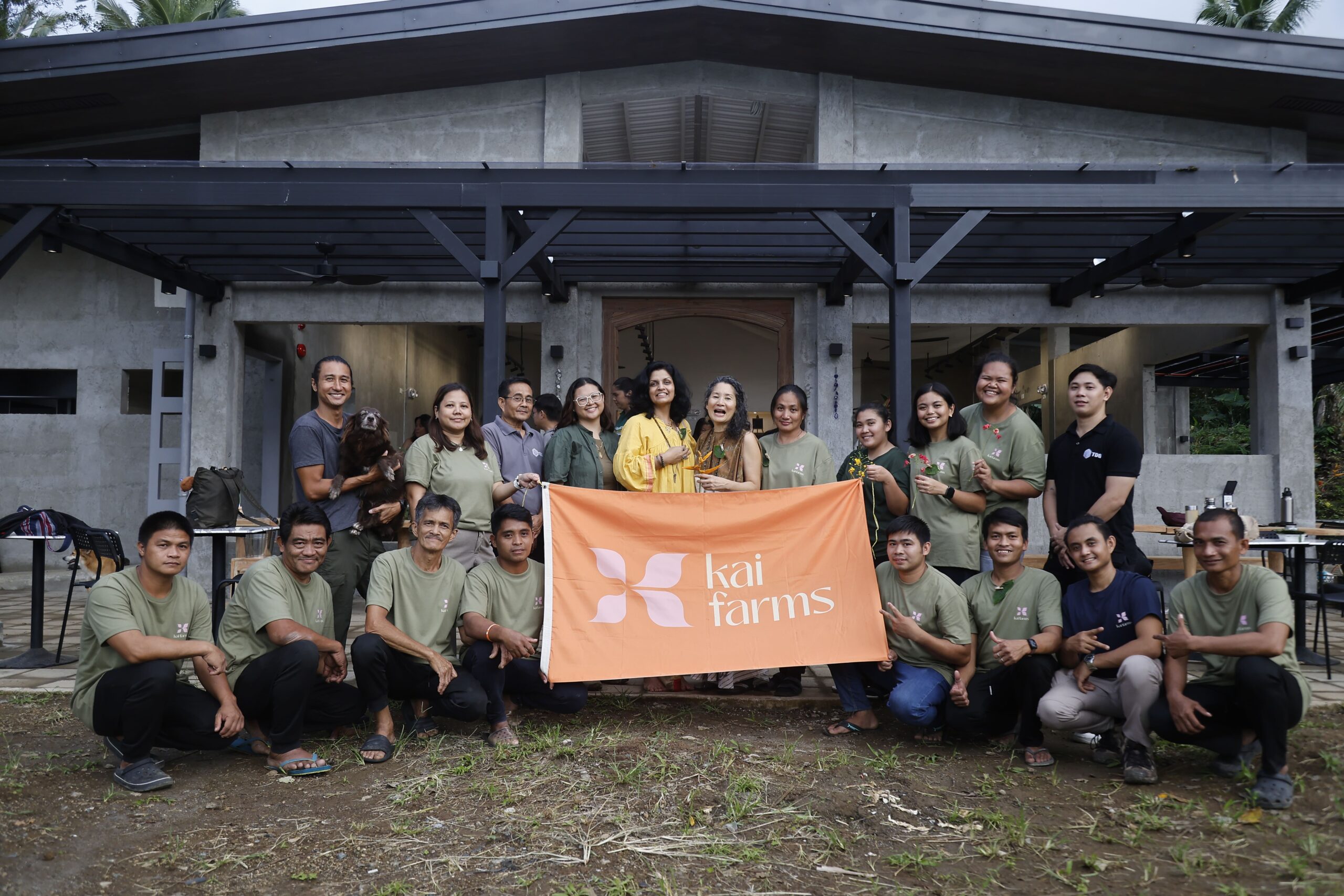
In a Cavite-based farm, Kai Farms champions processes of making organic produce accessible to all Filipinos, arguing that eating well is a right for everyone, not a privilege.
Kai Farms shares its principles for its practice in line with permaculture—a holistic and regenerative agricultural practice that works in harmony with nature, aiming to diversify and stabilize natural ecosystems, resulting in a nutrient-rich, chemical-free, and thriving soil and natural produce.
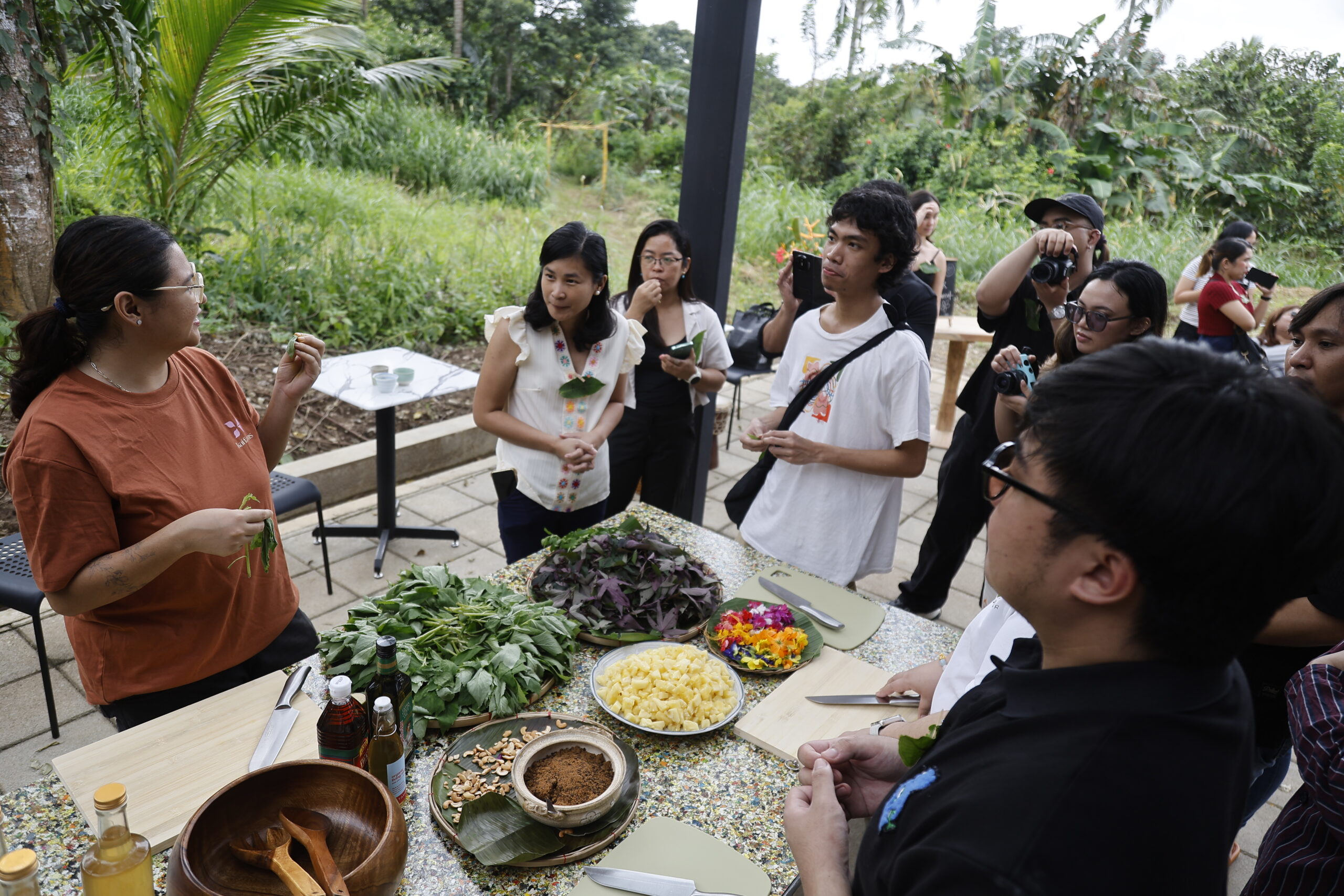
Community Kitchen during TGU
With the conscious effort to know about indigenous vegetables, the farm owners aim to reconnect everyone with their culinary heritage. Kai Farms reintroduced seed saving, sustainability, wellness, nutrition, and meditation to vulnerable communities, public school students, and even the public.
“We want a sustainable food system. Through local indigenous knowledge, we want our operations and cuisine to be creative, and to communicate to the public that there are local solutions for sustainability,” shared Kris Anne Serva, Kai Farms Communications Lead.
“We serve the land instead of growing against it. We learn about soil, plants, and biodiversity, knowing what to grow and where,” added Camiel Crucillio, farm manager of Kai Farms.
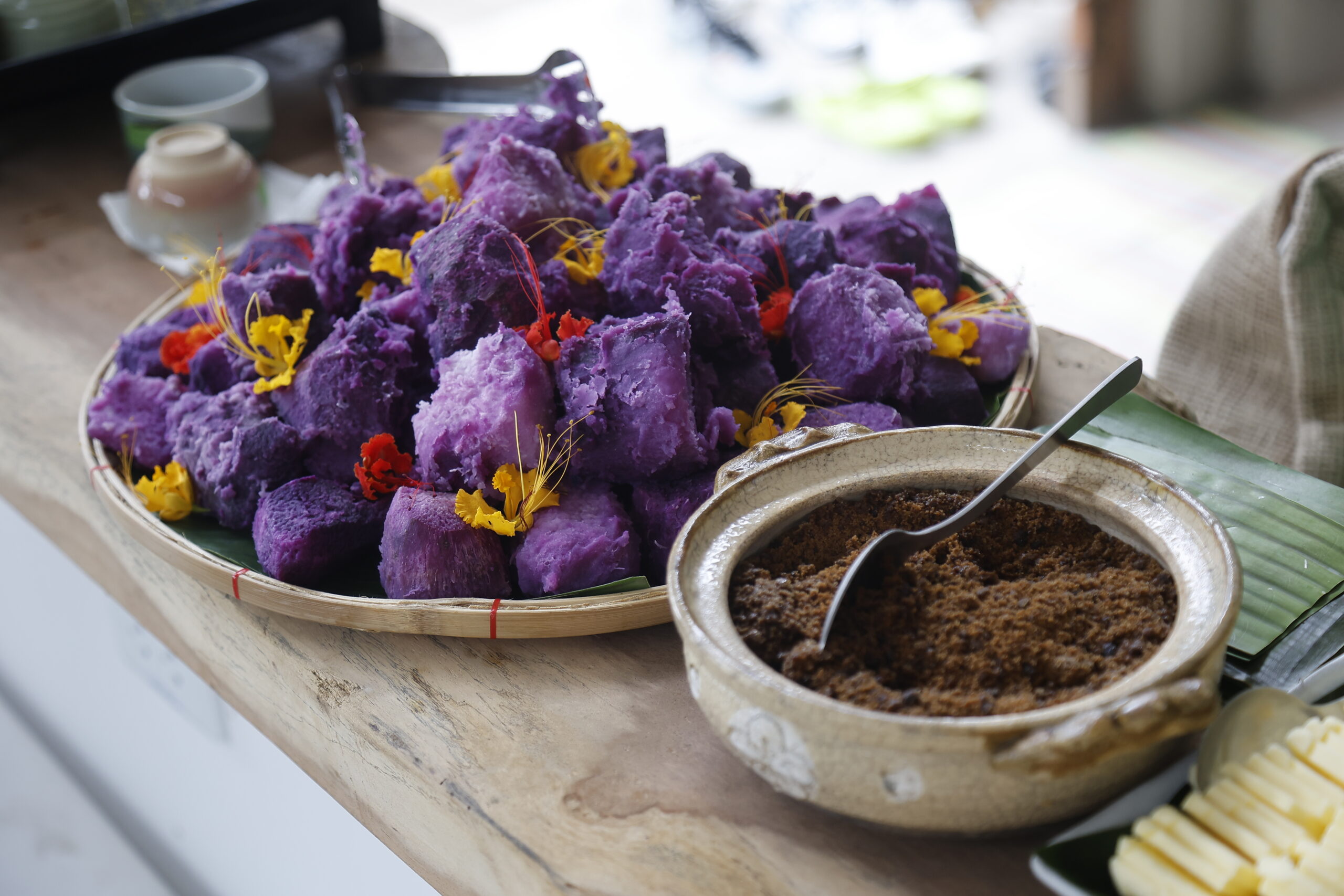
Organic Ube
Kai Farms shares that growing food can be an intimidating experience, but they provide support throughout the process. On their website, they sell produce kits like a “Mini Edible Garden” featuring a basket of leafy vegetables and crops that can be a starter for individual farming.
They also sell seeds featuring a “Wild Flower Seed Mix” and “Urban Gardener Collection.” There are a lot more varieties of gardening supplies available, such as organic soil, plant food, and nature-based supplies that they rally to be chemical-free.
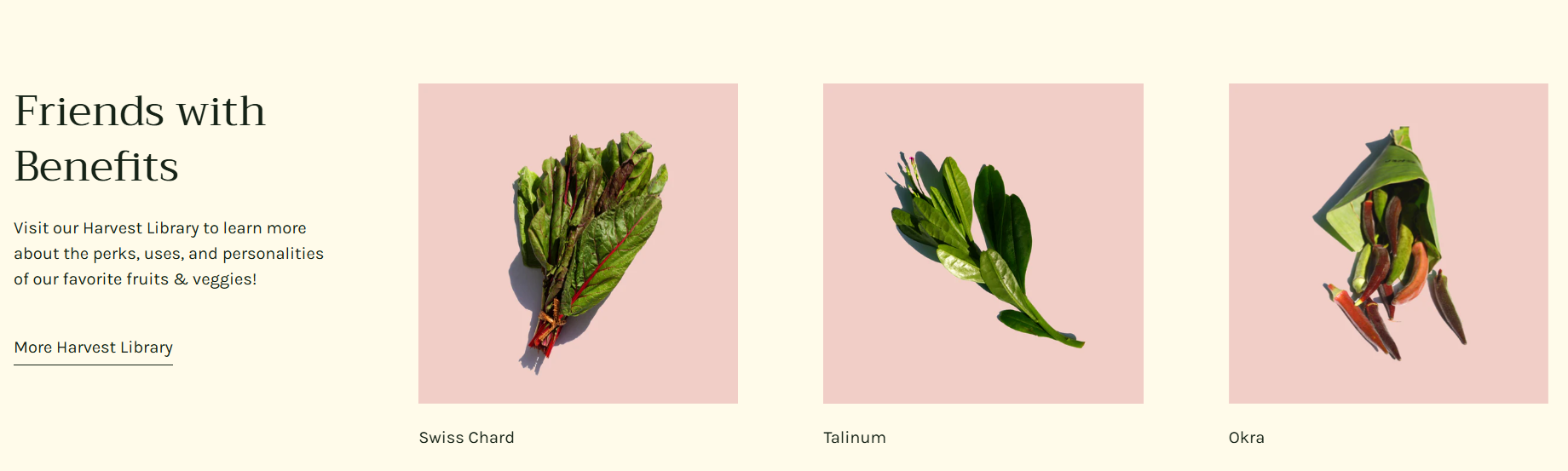
Photo from Kai Farms Website
“Through the advocacy of Kai Farms, we aim to educate and reach vulnerable areas and audiences. We want them to benefit from regenerative farming, but also be financially sustainable to prolong the operation of the farm,” shared Rose Pumar, Kai Farms General Manager.
Kai Farms believes that agriculture can be approached in a way that individuals learn, cultivate culture, and manage their nutrition in a holistic way.
To know more about the farm’s initiatives, you may visit their website or their official Facebook page.